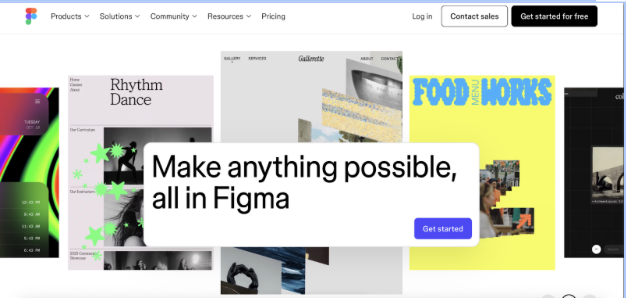
Overview
Figma is a cloud-based design platform that has revolutionized UI/UX design through real-time collaboration and browser-based accessibility. Unlike traditional design software, Figma enables multiple designers to work simultaneously on the same file, making it ideal for product teams, UX designers, and anyone building digital interfaces. The platform combines interface design, prototyping, and design system management in one tool, eliminating the need for separate applications. With a robust free tier and paid plans starting at $12/user/month, Figma has become the industry standard for digital product design.
Key Features
- Real-Time Collaboration: Multiple team members can design simultaneously in the same file with live cursors and instant updates.
- Prototyping: Create interactive prototypes with transitions, animations, and user flows without leaving the design tool.
- Design Systems: Build and maintain component libraries and design systems that ensure consistency across products.
- Developer Handoff: Auto-generate CSS, iOS, and Android code from designs for seamless developer collaboration.
- Version History: Access unlimited version history to review changes and restore previous versions.
- FigJam: Collaborative whiteboarding tool included for brainstorming, diagramming, and workshop facilitation.
Pros
- Browser-based platform works on any operating system without installation
- Real-time collaboration revolutionizes team design workflows
- Free tier offers full design functionality for unlimited personal files
- Prototyping capabilities eliminate need for separate tools
- Developer handoff features streamline design-to-development process
Cons
- Requires internet connection for full functionality
- Limited photo editing capabilities compared to Photoshop
- Can be resource-intensive in browser with complex files
- Less suitable for print design or illustration work