
You’re spending 30 minutes reading competitor content analysis articles before writing a single word. Your team can’t scale content production because research takes too long. Meanwhile, competitors are publishing faster and ranking higher.
Here’s what changed: AI automation reduced competitive research from 30 minutes to 2 minutes per article. Not by cutting corners. By systematically analyzing what used to take hours of manual work.
This shift isn’t coming. It’s here. Most marketers view AI enabled search engines as a growth opportunity, with 75% expecting positive blog performance and 68% anticipating higher website traffic.
At Azarian Growth Agency, we cover this in webinar 16. You will get a strategic framework based on real implementation experience:
- When building makes sense
- When buying is smarter
- How to calculate true costs for both options
- Hidden factors most teams miss when evaluating AI marketing tools
This guide shows you exactly how to implement competitive content analysis at scale. You’ll learn the tools, techniques, and systematic processes that leading content teams use to research faster while getting deeper insights.
Why Traditional Competitive Analysis Fails at Scale
Traditional competitive research follows the same slow pattern everywhere. Search your topic on Google. Open the top 10 articles in tabs. Read each article carefully. Take notes on structure and key points. Try to remember patterns across all 10 sources. Synthesize insights into a strategy document.
This process breaks down completely at scale.
Reading 10 articles thoroughly takes 30 to 40 minutes of focused attention. Note taking is inconsistent when different team members handle research. Pattern recognition fails because humans read sequentially, not simultaneously. Important connections between articles get missed.
As 54.5% of businesses plan to increase their content marketing budgets in 2025, marketing teams face growing expectations to produce more content while maintaining quality, relevance, and clear differentiation.
This increased investment amplifies the need for better strategic planning and smarter decision making, since scaling output without strong research and judgment often leads to repetitive or low impact content.
As a result, teams are increasingly turning to AI not just to accelerate writing, but to strengthen research, competitive analysis, and content prioritization, helping ensure that higher production translates into real performance gains rather than content overload.
Do the math. Producing 30 articles monthly with 30 minutes of research per article means 15 hours spent just reading competitor content. That’s almost two full workdays of pure research before writing anything.
Most teams can’t afford this time investment. So they skip research entirely or do it superficially. The result is predictable: generic content that repeats what already exists. Articles that don’t rank because they don’t differentiate. Content that blends in instead of standing out.
The Judgment Layer vs Execution Layer Framework
Understanding this framework changes everything about how you approach content production.
Content creation has two distinct layers that most teams don’t separate clearly.
The Execution Layer includes the actual writing, drafting words on the page, formatting for publication, and adding images. Most AI tools focus exclusively here. ChatGPT writes drafts. Jasper generates a copy. Copy.ai creates variations. These tools make execution faster.
The Judgment Layer includes competitive research, gap identification, strategic positioning, SEO planning, and structural decisions. This layer determines what to write and how to differentiate it. Most AI tools ignore this layer completely.
Here’s the insight that changes everything: the judgment layer is where the real bottleneck lives.
When we audited our content workflow at Azarian Growth Agency, we discovered something surprising. Research and strategy took 40 minutes per article. Writing took only 30 minutes. The judgment layer consumed more time than execution.
This finding flipped our entire automation strategy. Automating only execution (writing faster) gives you maybe 2x productivity gains. You still spend 40 minutes on research and strategy. Automating both judgment and execution gives you 10x gains. You eliminate the 40-minute bottleneck entirely.
This is why competitive analysis automation matters so much. It’s the foundation of judgment layer automation. Get this right and everything else becomes easier.
How We Cut Research Time From 30 Minutes to 2 Minutes
Building Content Engine, our content automation platform, taught us how to automate competitive research completely. We reduced research time from 30 minutes manually to 2 minutes automated. That’s a 15x speed improvement with better quality.
The system works through a systematic process:
- You input your target topic and 5 to 10 competitor URLs
- AI scrapes full text from each article automatically using MCP Servers
- It analyzes content structure, extracting every H2 and H3 header
- It identifies the main argument and unique angle each competitor takes
- It detects common themes that appear across multiple sources
- It finds content gaps where competitors are weak or completely silent
The output is a structured research brief. You see exactly what exists in the competitive landscape. Also, you see what’s missing that readers would value. You see where differentiation opportunities are.
This entire process takes 2 minutes compared to 30 minutes manually.
The quality is actually better than manual research for several reasons. AI analyzes all sources simultaneously, identifying patterns humans miss when reading sequentially. It’s comprehensive, covering all 10 articles thoroughly rather than skimming the last few because you’re tired. It’s consistent, producing the same quality analysis regardless of who runs it or when.
Using generative AI saved marketers an average of three hours per content piece and 2.5 hours per day, freeing up more than a full workday each week. These time savings compound across every article produced, allowing teams to focus more on strategy, quality, and differentiation rather than manual execution.
If you’re producing 30 articles monthly, automating research saves 14 hours monthly. That’s capacity for 28 more articles at your current research pace, or time redirected to strategy and distribution.
Our content marketing agency services help teams implement these systematic research processes that eliminate bottlenecks and scale content production efficiently.
Essential Tools for Competitive Content Analysis at Scale
The right tools make competitive analysis actually scalable instead of theoretically possible.
AI Analysis Tools
Claude 4 Sonnet excels at analyzing long-form content systematically. It handles 10 articles simultaneously without confusion. Also, it identifies patterns across sources that humans miss. It generates structured insights rather than unorganized notes.

We use Claude exclusively for Content Engine because it consistently outperforms alternatives on research tasks. The context window is large enough to hold multiple articles. The analysis is thorough and accurate. The outputs are well structured.
ChatGPT works for simpler analysis tasks but struggles with comprehensive competitive research. It tends to summarize rather than analyze strategically. It’s better for execution tasks than judgment layer work.

Web Scraping and Data Tools
MCP Servers enable Claude to scrape competitor content automatically. MCP stands for Model Context Protocol from Anthropic. It allows Claude to interact with external tools, fetch website content, and access data autonomously without manual intervention.
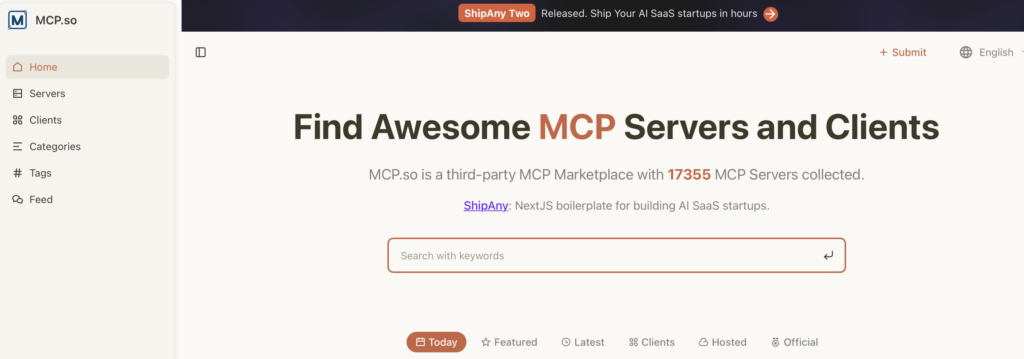
This is what makes true workflow automation possible. Without MCP Servers, you manually copy-paste content into Claude. With MCP Servers, Claude fetches content itself. The difference is workflow integration versus manual tool use.
Ahrefs provides search volume data, keyword difficulty scores, and competitor ranking positions. Use it to identify which topics have real search demand and which competitors dominate rankings. The content gap analysis feature shows keywords competitors rank for that you don’t.

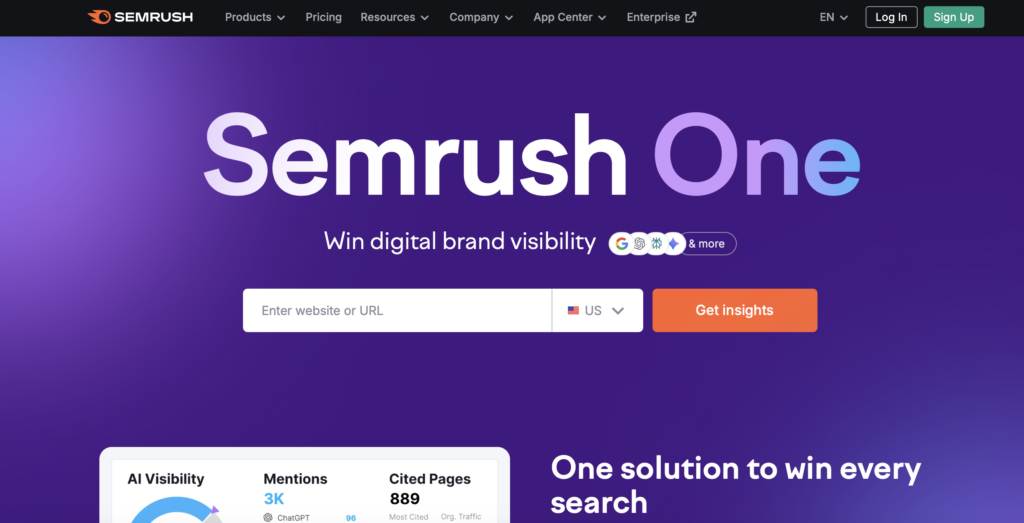
SEMrush offers similar capabilities with stronger position tracking over time. It shows you exactly where competitors rank for target keywords and how their positions change. The topic research tool suggests related topics based on search demand
Content Analysis Platforms
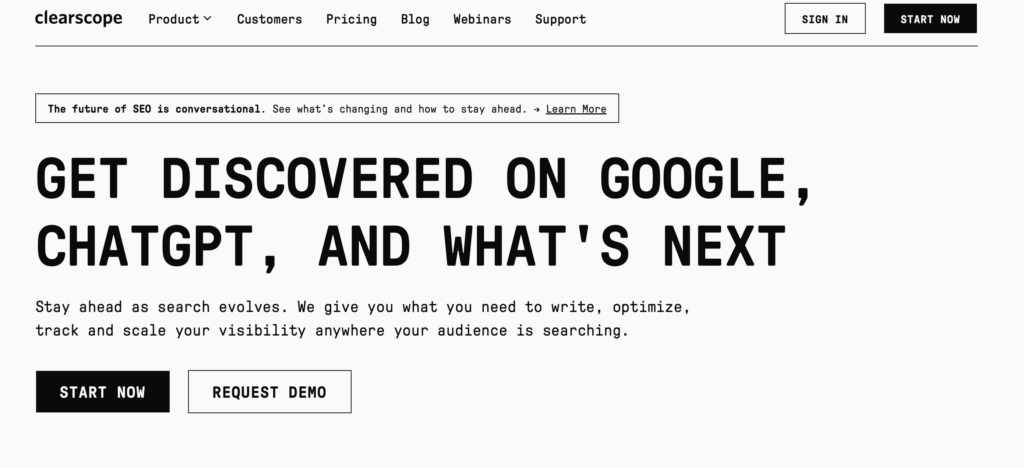
Clearscope analyzes top-ranking content for any topic automatically. It shows word count averages, common topics covered, and content depth standards. The tool is excellent for understanding what it takes to rank for competitive keywords.
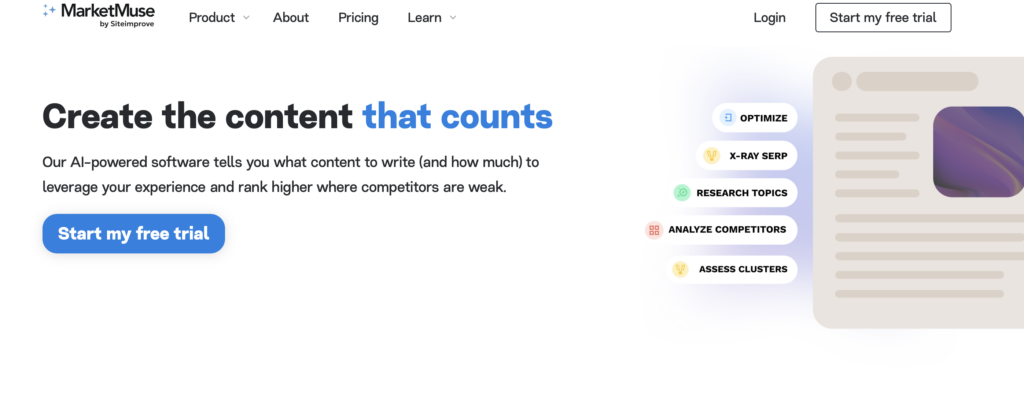
MarketMuse uses AI to evaluate content comprehensiveness systematically. It identifies topics competitors cover thoroughly and gaps they miss completely. It’s expensive at $600+ monthly but powerful for large-scale content operations.
The Five-Step Process for Systematic Competitive Analysis
Follow this process for consistent, scalable competitive analysis that produces strategic insights every time.
Step 1: Identify Your Top Competitors
Search your target topic in Google using incognito mode to avoid personalized results. Identify the top 10 ranking articles in organic results. Copy each URL for analysis. Skip paid ads and featured snippets. Focus exclusively on organic results ranking positions 1 through 10.
Look for patterns in who ranks consistently:
- Same domains appearing repeatedly indicate strong competitors worth monitoring
- Varied results with different domains suggest weaker established players
- Lower-authority domains ranking with exceptional content reveal what quality search engines reward
Domain authority matters but isn’t everything. Sometimes lower-authority domains rank with exceptional content. Analyze why they rank to understand what content quality search engines reward for your topic.
Step 2: Analyze the Competitive Landscape
Feed your competitor URLs into Claude or your chosen AI analysis tool. Request structured analysis covering these dimensions:
- Main arguments each competitor makes and how they frame the topic
- Content structure they use, including H2 and H3 organization
- Word count and depth of coverage provided in each section
- Target keywords they optimize for throughout content
- Strengths showing what they execute particularly well
- Weaknesses showing what they miss or handle poorly
The output should give you a complete picture of the competitive landscape. You’ll see what currently ranks, you’ll understand how competitors structure content and willidentify what approaches they take to the topic.
This landscape view is impossible to maintain in your head when manually reading 10 articles. AI makes it visible and actionable.
Step 3: Identify Content Gaps Systematically
Analyze your competitive landscape research for specific types of gaps:
Topic gaps are subjects related to your main topic that competitors don’t address at all. These are often the easiest differentiation opportunities because you’re not competing directly.
Depth gaps are subjects competitors mention but don’t explore thoroughly. They might dedicate a paragraph where a full section would serve readers better.
Perspective gaps are angles or viewpoints not represented in existing content. Maybe everyone takes a tactical approach but no one covers strategic considerations. Maybe everyone targets beginners but no one serves advanced practitioners.
Format gaps are content types missing from the topic. Maybe everyone writes how-to guides but no one creates comparison articles or frameworks.
Audience gaps are reader segments whose specific needs aren’t addressed. Maybe content serves enterprise teams but ignores small businesses with different constraints.
According to our analysis at Azarian Growth Agency, the average topic has 3 to 5 significant content gaps that competitors completely miss. Finding and systematically filling these gaps is how you differentiate and win rankings against established competitors.
Step 4: Determine Your Unique Positioning
Based on gaps identified, decide your specific angle. Your positioning should answer these questions clearly:
- Will you be more tactical, more strategic, or more conceptual than competitors?
- Will you target beginners, intermediate, or advanced readers?
- Will you frame the problem differently than competitors frame it?
- What unique value will you provide that doesn’t exist elsewhere?
Your positioning must fill identified gaps while maintaining relevance to search intent. Someone searching your target keyword should find your angle useful and valuable, not just different for the sake of being different.
Your positioning should also be defensible over time. Competitors can copy your content but they can’t copy proprietary data, unique expertise, or distinctive brand voice. Build positioning on advantages that last.
Step 5: Create Your Strategic Outline
Build an outline that explicitly addresses identified content gaps:
- Structure sections around what competitors miss entirely
- Include specific examples competitors lack
- Go deeper on topics competitors cover superficially
- Organize content to serve reader questions competitors don’t answer
Your outline should be a detailed roadmap for creating content that’s measurably better than what currently ranks. Every section should serve a strategic purpose tied to gaps or positioning.
This outline becomes the foundation for content that differentiates, ranks higher, and serves readers better than existing alternatives.
Our SEO services incorporate this systematic competitive analysis approach to help clients rank for high-value keywords by filling gaps competitors miss.
Advanced Technique: Pattern Recognition Across Multiple Topics
Once you master single-topic analysis, scale up to pattern recognition across your entire content calendar. This reveals strategic insights that individual analyses miss.
Analyze 20 to 30 competitor articles across different topics in your niche. Don’t analyze them individually. Look for patterns in how competitors consistently approach content across topics:
- Do they consistently skip implementation details and stay high-level?
- Do they avoid controversial topics and opinions?
- Do they target beginners and ignore advanced readers?
- Do they focus on tools without addressing strategy?
These patterns reveal systematic weaknesses you can exploit across your entire content program. If competitors consistently lack practical examples, make examples your differentiator everywhere. In case they all target beginners, own the advanced segment across all topics. If they avoid controversy, take clear positions that resonate with your audience.
We discovered through this pattern analysis that content automation competitors focused exclusively on AI writing tools. Every competitor ignored AI research automation. This pattern across 15 different competitor analyses became our core positioning for Content Engine.
We owned judgment layer automation because we recognized a systematic gap across the entire competitive landscape. That positioning wouldn’t have been obvious from analyzing just one or two topics. The pattern emerged from systematic analysis at scale.
Measuring the Real Impact of Competitive Analysis
Track these specific metrics to measure whether competitive analysis actually improves content performance.
Time to Rank measures how quickly new articles reach top 10 positions. Articles based on thorough competitive analysis typically rank faster because they fill gaps search engines recognize as valuable to users.
Our data shows articles with systematic competitive research reach top 10 positions 40% faster on average than articles without research. Track this metric by topic and compare researched versus non-researched content.
Average Ranking Position measures where your content lands in search results. Content addressing identified gaps should rank higher than content without competitive research because it provides differentiation search engines reward.
At Azarian Growth Agency, articles based on systematic competitive analysis rank 2.3 positions higher on average than articles without research. This difference compounds into significantly more organic traffic over time.
Organic Traffic Per Article measures actual traffic each article generates. Better rankings drive exponentially more traffic. Track organic traffic per article and compare researched versus non-researched content to measure impact.
Our competitive analysis-based articles generate 64% more organic traffic in the first 90 days after publication compared to articles without research. The difference becomes even more pronounced over time as rankings stabilize.
Engagement Metrics including time on page, bounce rate, and scroll depth measure whether content actually serves readers well. Content filling real gaps should engage readers better because it provides value competitors don’t offer.
Monitor these metrics by article and look for patterns. Articles based on competitive research should show higher engagement across all metrics.
Common Mistakes That Undermine Competitive Analysis
Avoid these mistakes that waste time and undermine the effectiveness of competitive analysis.
Analyzing Too Few Competitors gives an incomplete picture of the landscape. Looking at only 3 to 5 competitors shows you what those specific sites do but misses broader patterns. Analyze 10 competitors minimum to identify real patterns and gaps that reveal true opportunities.
Focusing Only on Top Rankers ignores valuable insights from lower positions. The number one ranking article isn’t always the best model. Sometimes it ranks due to domain authority despite mediocre content quality. Sometimes position 4 or 7 has better content but weaker authority.
Analyze strengths and weaknesses across all top 10 positions. The best insights often come from understanding why middle-ranking content succeeds or fails.
Ignoring Audience Intent leads to differentiation that doesn’t matter. Competitors might rank well but not serve readers optimally. Always validate that your competitive analysis and resulting positioning aligns with what searchers actually want, not just what ranks.
Skipping Gap Identification wastes the entire analysis. Understanding what exists is interesting but not actionable. The gaps are where differentiation opportunities actually live. Always move from landscape analysis to specific gap identification.
Not Updating Analysis Over Time makes insights stale. Competitive landscapes change constantly as new content is published and rankings shift. Reanalyze important topics quarterly to stay current. For trending topics, analyze monthly. For time-sensitive topics, analyze immediately before production.
Implementing Competitive Analysis in Your Content Workflow
Start small and scale systematically as you prove the approach works.
Choose 5 high-priority topics from your content calendar. These should be important keywords where ranking matters for business goals. Run full competitive analysis on each topic using the five-step process outlined above.
Document findings in a structured format your entire team can reference. Don’t keep insights in someone’s head. Create shared research briefs that writers and editors can access.
Create detailed outlines that explicitly address identified content gaps. Make the connection clear between gaps and how your content fills them. Give writers a roadmap showing exactly how to differentiate.
Produce those 5 articles following the competitive research and strategic outlines. Measure results carefully:
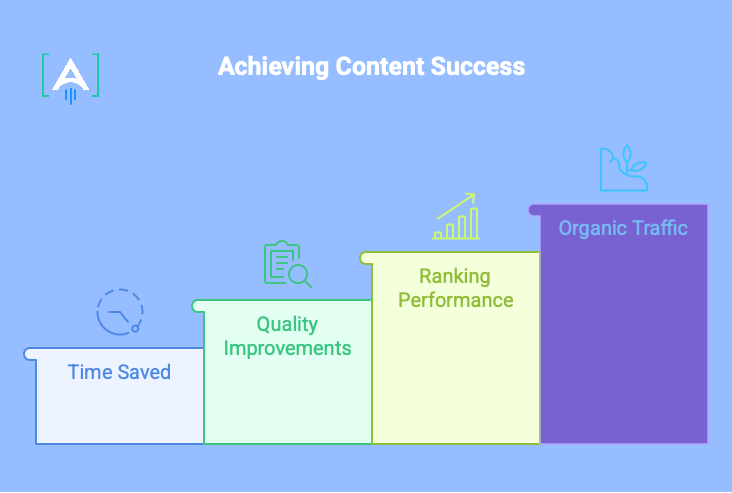
- Track time saved in research phase
- Monitor quality improvements from editors
- Watch ranking performance over 90 days
- Measure organic traffic generation
Use results to justify expanding competitive analysis to more topics. Most teams see 60% to 70% time savings on research while simultaneously improving content quality. This combination is what enables scaling from 30 articles monthly to 100 articles monthly without adding headcount.
The content strategy services at Azarian Growth Agency are built entirely on this systematic approach to competitive analysis. We help teams implement scalable research processes that drive measurable improvements in content performance, rankings, and traffic.
Real Results: Content Engine Case Study
Content Engine implementation provides a concrete example of competitive analysis at scale driving real business results.
Before automation, our content team spent 70 minutes per article total. Research took 30 minutes of that time. We could produce 30 articles monthly with our 3-person team.
After implementing automated competitive analysis, research dropped from 30 minutes to 2 minutes per article. Total production time fell from 70 minutes to 7 minutes including all phases. The same 3-person team now produces 100+ articles monthly.
More importantly, quality improved rather than declined. Blind tests with editors showed AI-assisted articles rated higher on research depth and comprehensiveness than manual articles. The systematic competitive analysis caught patterns and gaps that humans missed.
Articles based on automated competitive research rank 2.3 positions higher on average. They generate 64% more organic traffic in the first 90 days. They reach top 10 rankings 40% faster than articles without systematic research.
The ROI is clear. We saved $45,000 annually while producing 3.3x more content with better performance. The investment in automation paid back in under 2 months.
Getting Started Today
You don’t need to build custom automation to benefit from systematic competitive analysis. Start with these immediate actions.
Pick one important topic from your content calendar. Something where ranking matters for your business goals. Follow the five-step competitive analysis process manually using Claude or ChatGPT. Document what you learn about the landscape, gaps, and positioning opportunities.
Create a detailed outline addressing identified gaps. Make the differentiation strategy explicit. Give yourself or your writer a clear roadmap showing exactly how this content will be better than competitors.
Produce that one article following your competitive research and strategic outline. Measure the time invested in research versus your normal process. Track the quality of insights versus gut-feel content planning. Monitor how the article performs in rankings over 90 days.
If results justify the approach, and they will, systematize the process:
- Create templates for research briefs
- Build checklists for gap identification
- Document your competitive analysis workflow
- Train team members on the systematic process
Scale gradually from 1 article to 5 to 10 to all content. Most teams see immediate improvements in both efficiency and quality. The research takes less time while providing better strategic direction.
Our growth marketing services can help you implement this systematic approach if you want guidance. We’ve refined these processes over hundreds of articles and can accelerate your learning curve significantly.
Conclusion
Competitive content analysis doesn’t need to take 30 minutes per article. With AI-driven systems, you can analyze 10 competitors in minutes, often with deeper insights than manual research delivers.
The real leverage comes from automating the judgment layer, not just execution. Research, gap analysis, and positioning determine ranking outcomes, and these are exactly the areas where AI outperforms manual workflows.
At Azarian Growth Agency, we use a structured approach that we will walk through in webinar 16:
- Systematically identify true competitors
- Map the content landscape at scale
- Surface gaps that represent real ranking opportunities
- Define positioning that’s defensible, not generic
- Produce strategic outlines that guide execution
Results matter. Track time saved, content quality, rankings, and traffic to validate impact and justify scaling across your program.
Teams that master competitive analysis at scale will win content marketing in 2026. They publish faster, rank higher, and differentiate consistently because their strategy is built on data, not guesswork.
It’s up to you now. Talk to our growth experts.